


From Mesoamerica to Malnad
The Journey of Guava and the Art of Thambuli
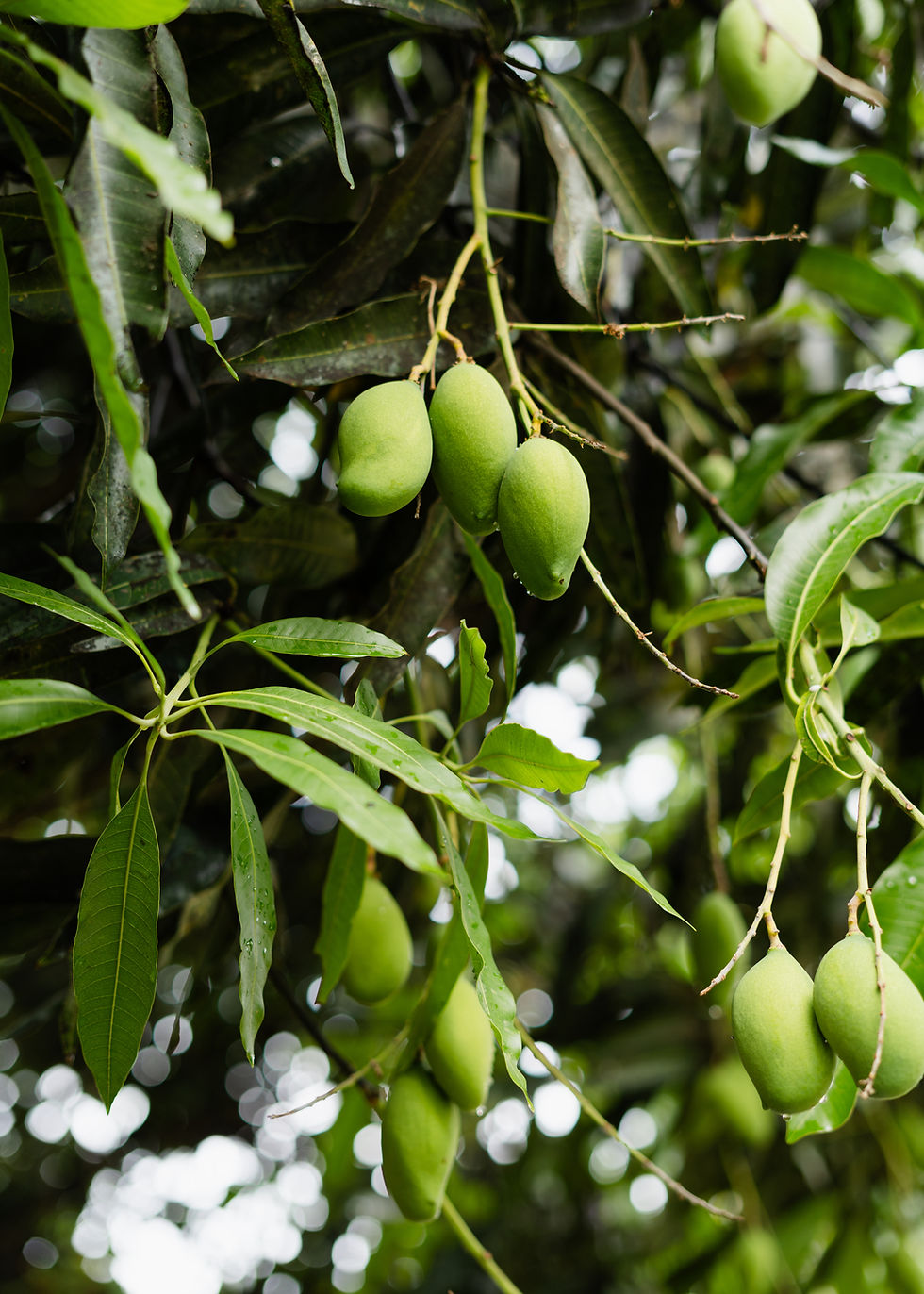
The culinary fabric of India is a tapestry woven from threads both indigenous and adopted. Few ingredients illustrate this seamless synthesis better than the humble guava Known natively in various Indian languages as Koya , or seebekayi is fruit is so deeply entrenched in the daily rhythms of Indian life that its foreign origins are easily forgotten. Yet, the story of how a tropical American native found its way into the sun-drenched street corners of India, and ultimately into the cooling summer rituals of the Malnad kitchen through dishes like Thambuli, is a masterclass in culinary adaptation.
Guava is native to the region spanning southern Mexico through Central America and parts of South America. It was introduced to the Indian subcontinent in the early 16th century by Portuguese explorers who had encountered it in the New World. The fruit adapted effortlessly to India's tropical and subtropical climates, proliferating across the country from Uttar Pradesh to Karnataka. What makes the guava remarkable is how rapidly it migrated from colonial orchards to the populist palate. In India, it transformed from an exotic import into the ultimate egalitarian street food. Across town squares and railway platforms, the sight of a vendor slicing crisp, pink- or white-fleshed guavas is iconic. Scored with precision, these slices are generously sprinkled with a rudimentary yet explosive mixture of rock salt and red chili powder. This street-side pairing is not merely accidental; the sharpness of the spice and the mineral bite of the salt cut through the intense, musky sweetness and slight astringency of the fruit, mirroring the complex flavor profiles celebrated in traditional Indian gastronomy.
As the guava traveled further south into the hills of Karnataka, it encountered a culinary philosophy deeply rooted in wellness and geography: the cuisine of Malnad (meaning the land of rain). Characterized by heavy monsoons, dense forests, and rolling plantations, the Malnad region prioritizes food that is hyper-local, seasonal, and therapeutic. In the scorching heat of summer, the Malnad kitchen relies on a traditional preparation known as Thambuli (derived from the Kannada words tampu meaning cold or cooling, and huli, meaning sour curry/gravy). A Thambuli is a light, yogurt-based medicinal broth or raita-like accompaniment served at the very beginning of a South Indian meal. It is designed explicitly to soothe the digestive system, regulate body temperature, and counteract the dehydrating effects of summer. Traditionally made with wild greens, herbs like doddapatre (Indian borage), or spices like cumin and pepper, Thambuli represents a food-as-medicine approach to daily dining.

When the introduced guava met the indigenous philosophy of Thambuli a seasonal masterpiece was born: Sibe Hannina Thambuli (Guava Thambuli). The preparation is an exercise in minimalist culinary balance. It bypasses the intensely sugary, overly ripe fruit, opting instead for guavas that are just short of fully ripe—firm, slightly tart, and carrying a clean, green fragrance. In some variations, even the tender, antioxidant-rich young leaves of the guava tree are used.
The process unfolds in a structured sequence of flavor building. First, the guava flesh is finely chopped or lightly mashed to create the base. Next, it is blended into a smooth paste alongside freshly grated coconut—which adds a creamy, sweet fat profile—and a few green chilies or black peppercorns for a gentle, warming heat. This fragrant paste is then folded into whisked, slightly sour, cool buttermilk or yogurt
Finally, the dish is finished with a traditional tempering of mustard seeds, cumin, and curry leaves crackled in a splash of coconut oil or ghee. The resulting concoction is a pale, creamy gravy that is incredibly complex. The initial taste delivers the cool, soothing tang of buttermilk, followed immediately by the unmistakable tropical perfume of the guava. The rich texture of the coconut rounds out the fruit's natural astringency, while the underlying prickle of green chili provides a structural contrast.
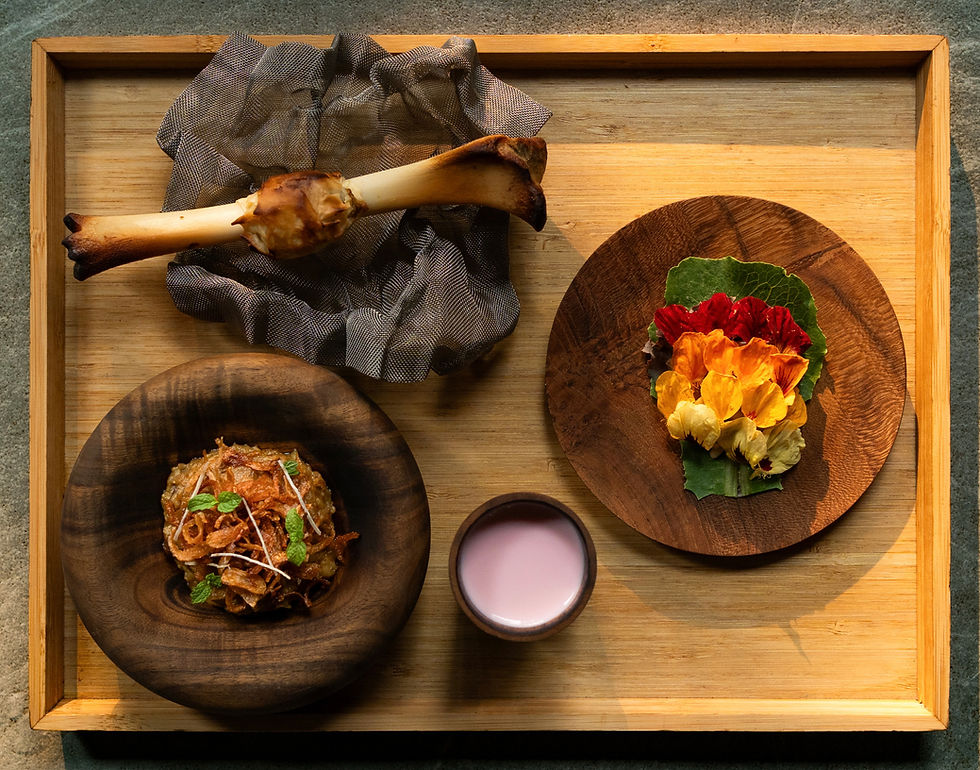
Served alongside a mound of steaming hot rice, Guava Thambuli acts as an architectural cooling agent for the body. It bridges the gap between historical foreign trade and micro-regional Indian heritage. The Latin American fruit, once a stranger to the subcontinent, is stripped of its exoticism and dressed in the everyday vocabulary.

Comments