


A Narrative of Singi Yeral and Sodhi
In the vast culinary geography of South India, certain pairings transcend the simple act of eating, evolving instead into a narrative of geography, tradition, and technical finesse. The marriage of Singi Yeral (the Spiny Lobster) and Sodhi (the delicate coconut milk stew of Tirunelveli) is a notion to simplicity on a prized catch. It is a dialogue between the aggressive majesty of the coast and the cooling, hospitable traditions of the deep south.
The name itself carries a sense of weight. In Tamil, Singi—derived from the word for Lion—alludes to the Spiny Lobster’s formidable appearance and its regal status among local catches. Unlike its cold-water cousins, the Singi Yeral lacks the massive crushing claws of the Atlantic lobster, directing its entire essence into the thick, succulent meat of its tail and at times its masqueraded under the name of his cousins for profitable reasons but it makes me ponder about that fact that the taste is still quite reminiscent.
Sourced from the rocky crevices of the Coromandel or Malabar coasts, it is an ingredient that demands respect. Its flavor is a concentrated whisper of the sea: sweet, briny, and dense. To cook it is to engage with the "lore" of the shoreline; it requires a delicate touch to preserve its structural integrity, ensuring that the meat remains bouncy and translucent, a perfect canvas for the flavors that follow.

If the lobster represents the untamed coast, Sodhi represents the refined hospitality of the Tirunelveli region. Traditionally known as Mappillai Sodhi, it is a dish born of necessity and care, served to a new groom on the second day of wedding festivities. Its purpose is fundamentally restorative—designed to soothe a palate overwhelmed by the heat of celebratory feasts.
The preparation of Sodhi is an exercise in restraint. It relies on the three distinct extractions of coconut milk, which I tend to play it on the same lines of a Thai curry giving it a nuance of the coconut milk extractions,
• The Third Extract: Used to simmer the vegetables and moong dal until tender.
• The Second Extract: Added to build body and creaminess normally this is where we use the shells
• The First Extract: The thick, "head" milk, added at the very end to provide a luxurious, velvet finish without ever being allowed to boil with minimal interventions and subtle flavour profiles of what is demanded.
The flavoring agents—ginger, green chilies, and a final bright splash of lemon—create a profile that is aromatically warm yet physically cooling. It is a masterpiece of South Indian "locavore" sensibilities, utilizing the bounty of the coconut palm to create a dish of immense depth.
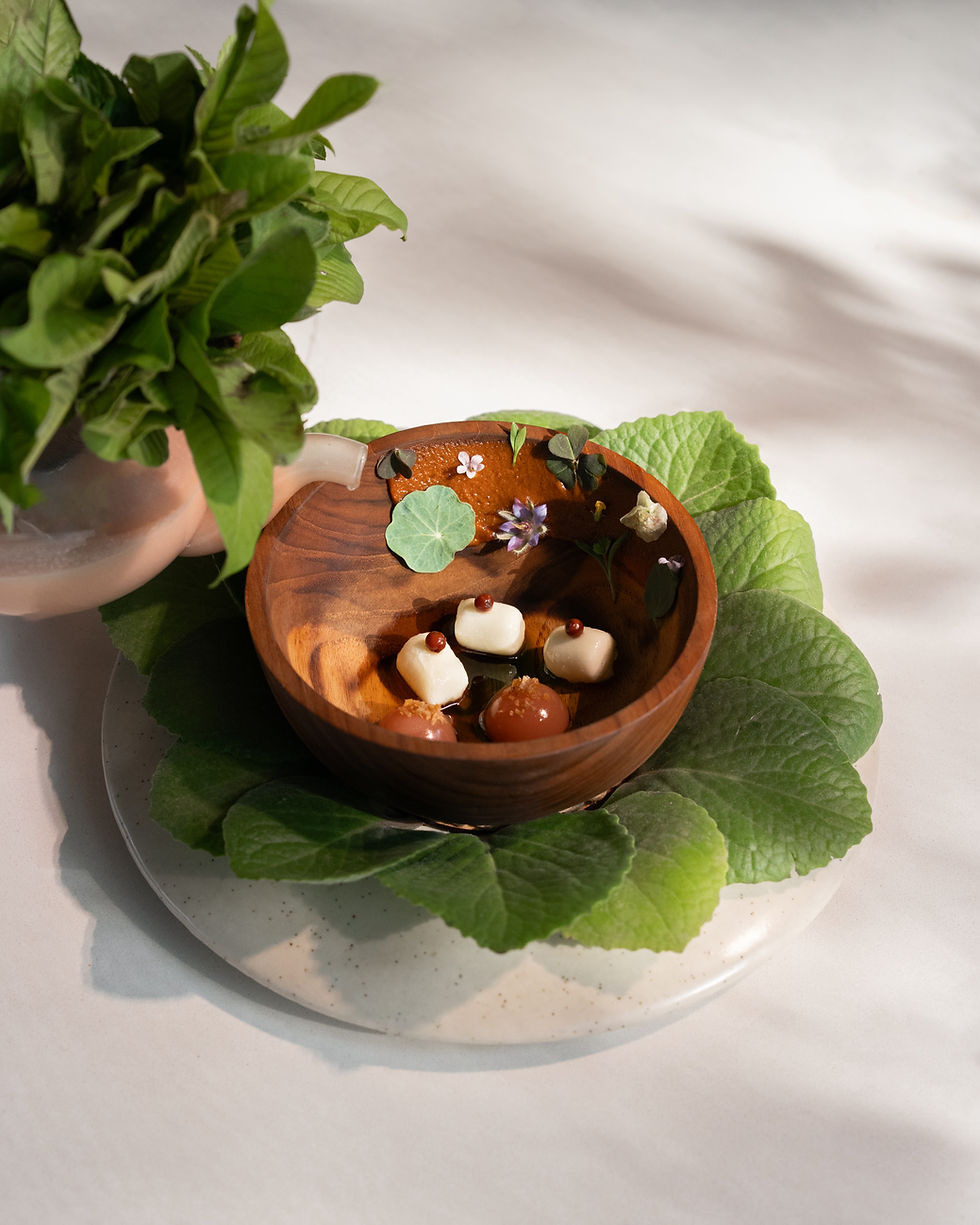
When Singi Yeral meets Sodhi, the result is a sophisticated interplay of textures. The lobster provides the "bite"—a firm, oceanic counterpoint to the liquid silk of the stew. The fat of the coconut milk acts as a carrier for the lobster’s sweetness, while the ginger in the Sodhi cuts through the seafood’s richness, acting as a digestive bridge that keeps the palate light.
This pairing is more than just a meal; it is a story of geographical storytelling. It brings the ruggedness of the fisherman’s catch into the domestic warmth of a Tirunelveli kitchen. It honors the "lore" of the land by recognizing that a great ingredient like the Spiny Lobster does not always need the aggression of spice; sometimes, it only needs the gentle embrace of the sun-drenched coconut to tell its most compelling story.
Singi Yeral and Sodhi represent the pinnacle of regional culinary identity. They remind us that the best dishes are those that understand their roots. Whether served in a traditional home or interpreted through a modern lens, this combination remains a timeless celebration of the Tamil landscape—where the lion of the sea meets the comfort of the earth
Comments