


Holi - The Festival of Colours
The transition from winter’s harvest to the vibrant energy of spring is perhaps best captured by the Indian festival of Holi.
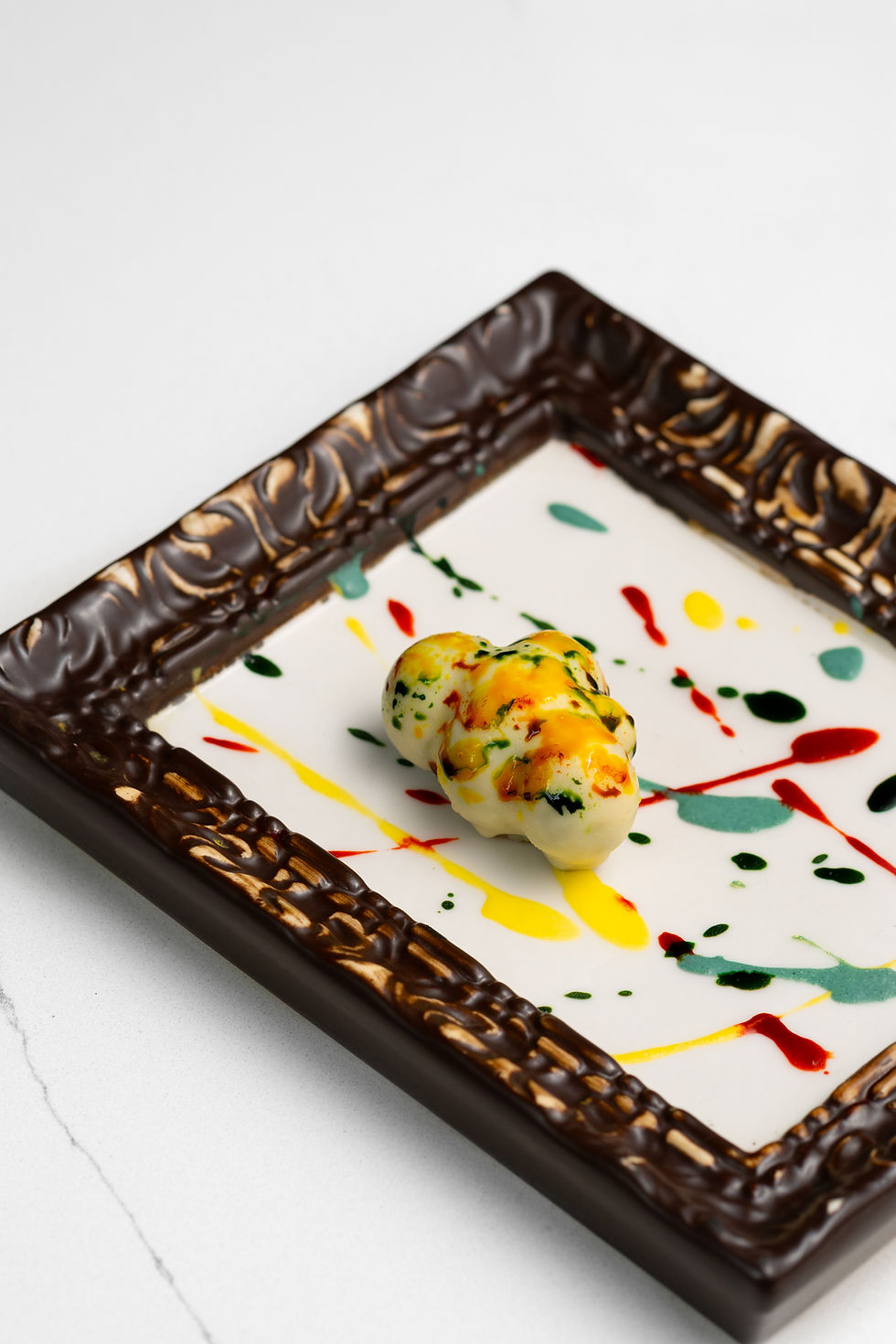
In the culinary world, this metamorphosis offers a profound opportunity for sensory storytelling—a chance to move beyond the plate and into the realm of "lore." By taking the humble radish harvest and reimagining the traditional North Indian Kanji as a structured salad encapsulated within an aerated cocoa butter cloud, I create a visceral narrative of purity, tradition, and the explosive joy of color, but the thought process is far and beyond.
The Protagonist: The Fermented Harvest
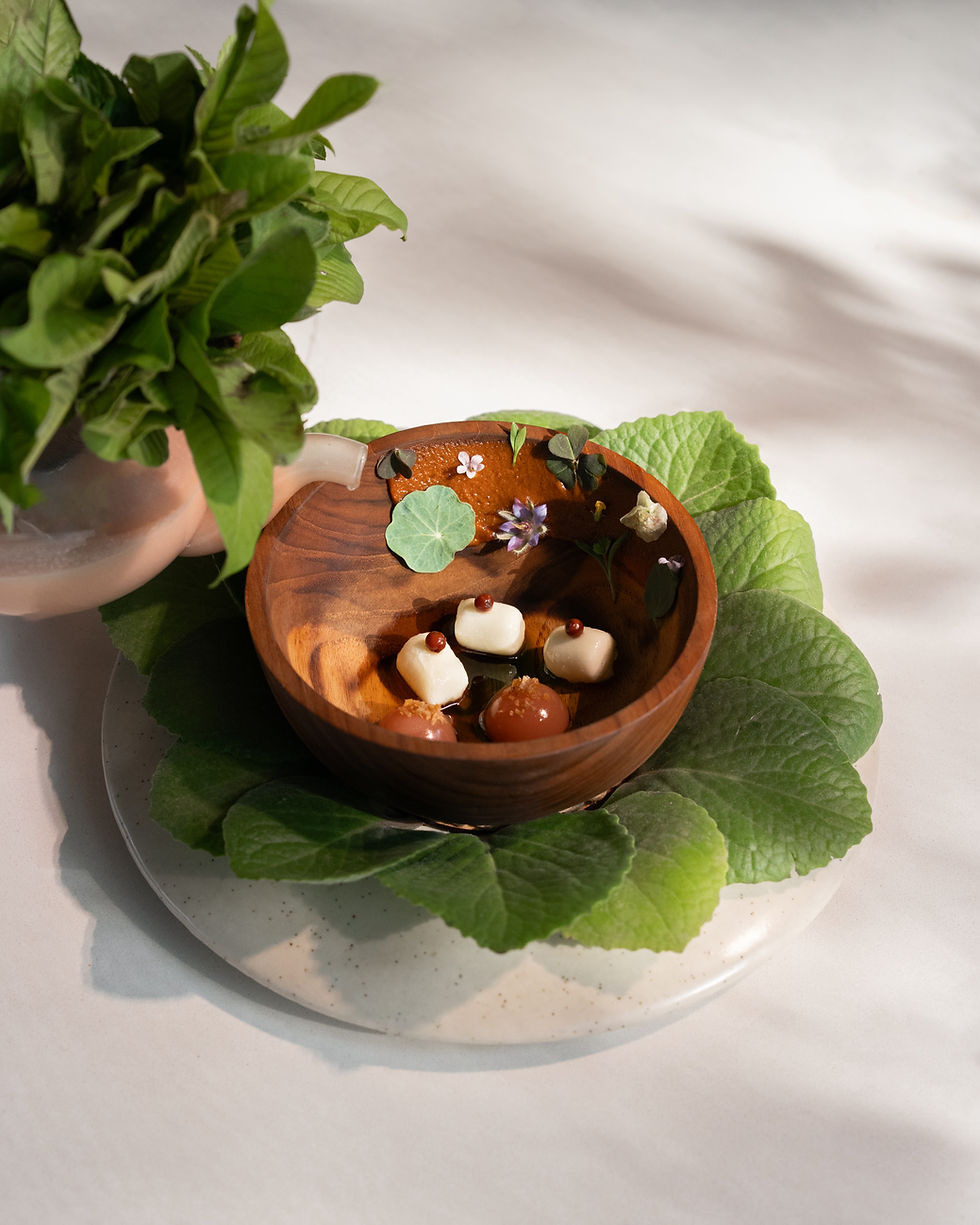
At the heart of this dish lies the radish, a root that serves as the silent witness to the changing seasons. Rather than presenting it in its raw state, the harvest is subjected to the ancient alchemy of fermentation. The creation of Kanji—a probiotic, mustard-heavy brine—transforms the radish from a sharp, peppery vegetable into a complex medium of lactic tang and sinus-clearing pungency. When this fermented radish is finely diced into a compressed salad, it retains the "soul" of the farm, offering a concentrated burst of flavor that carries the weight of the land’s history.
The vision for me is an acronym I get from a particular Movie Nayagan in the late 80s, A KH master piece - where Holi is celebrated and the cue to the song sequence is splash of colours, over the cloudy ☁️ skies,
The Cocoa Butter Cloud
The structural brilliance of the dish lies in its contrast. The fermented salad is housed within a "cloud" of aerated cocoa butter, a technical feat that serves as a culinary metaphor for the "white kurta" worn during Holi. This matte-white exterior represents the calm before the celebration. The use of cocoa butter is functional as well as symbolic; its unique melting point allows the shell to dissolve almost instantly upon contact with the palate, creating a rapid-release mechanism for the chilled, acidic contents within. This interplay between the rich, velvety fat of the butter and the sharp, fermented bite of the radish creates a sophisticated balance of mouthfeel.
The festival of colours : Nature’s Dyes as Flavor Anchors
Holi is defined by its colors, but in this high-concept course, those colors are derived strictly from the earth’s chemistry, ensuring that each hue contributes to the flavor profile.
Beetroot provides a deep magenta that carries an earthy, mineral sweetness.
Chlorophyll introduces a vibrant green, bringing notes of fresh grass and new growth.
Saffron lends a golden warmth and a floral,
honey-like bitterness this for me could make or break the creation.
Spirulina an electric blue that grounds the dish with a subtle marine umami I'll agree it was more about the colour.
These pigments are not merely painted on; they are integrated into the layers of the dish—marbled through the cloud and infused into the Kanji gel—waiting to be revealed.
The diner breaks through the delicate cocoa butter cloud, the colors of the natural dyes bleed into the white fragments, mimicking the haphazard, joyful splattering of Gulal (colored powder) during the festival. The visual "mess" is a calculated celebration of the harvest.
Ultimately, this course is an exploration of the transition from the earth to the ephemeral. It honors the labor of the farm and the patience of fermentation while embracing the modern techniques of aeration and encapsulation. It is a dish that does not just represent Holi; it performs it, inviting the diner to participate in the breaking of the winter frost and the arrival of a brilliant, multi-hued spring.

Comments